
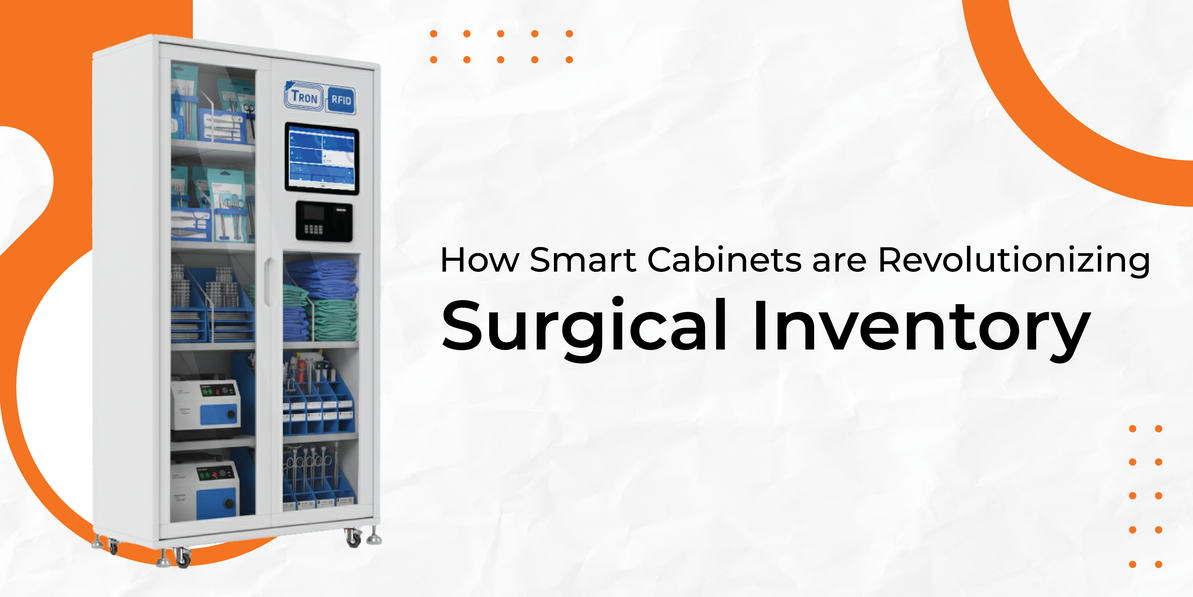
How Smart Cabinets are Revolutionizing Surgical Inventory
Hospitals face constant challenges in managing surgical inventory. From stockouts that delay critical procedures to misplaced supplies that disrupt workflows, the stakes are high. Manual tracking systems often fall short, leaving room for human error and inefficiency.
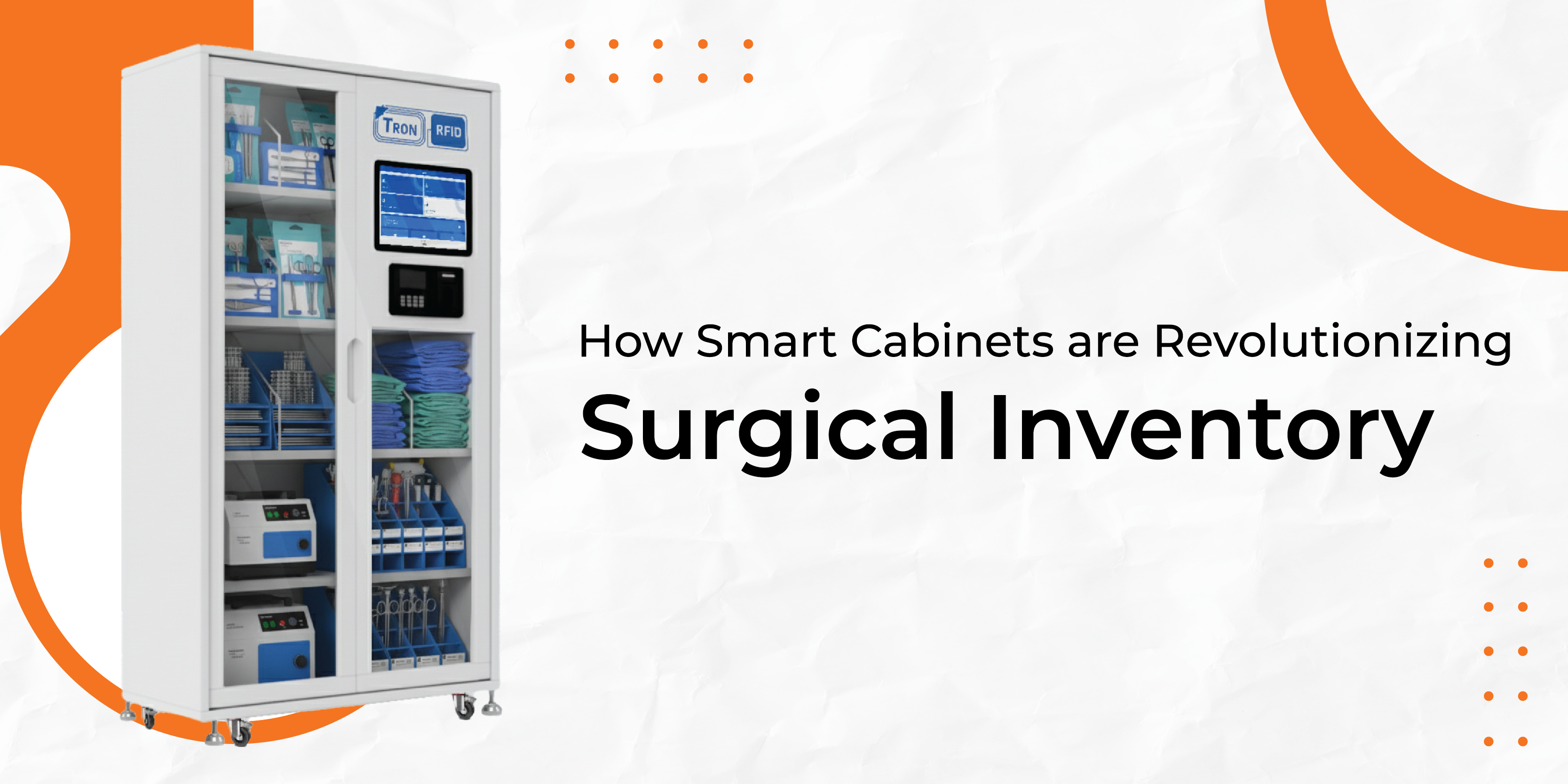
RFID Smart Cabinets are intelligent storage systems designed to transform how hospitals manage surgical supplies. These cabinets are more than shelves; they’re connected, data-driven solutions that bring precision and reliability to the operating room.
The Pain Points of Traditional Surgical Inventory
Managing surgical inventory the old-fashioned way is far from efficient. Hospitals often rely on handwritten logs or spreadsheets, which are prone to human error and make it difficult to maintain accurate records. This lack of precision leads to a constant struggle between overstocking and understocking—either tying up valuable capital in excess supplies or facing dangerous shortages during critical procedures. On top of that, nurses and surgical staff waste precious time searching for the right instruments instead of focusing on patient care. To make matters worse, expired or misplaced items can slip through the cracks, creating compliance risks and potentially jeopardizing patient safety. These challenges highlight why traditional methods simply can’t keep up with the demands of modern healthcare.
What Are Smart Cabinets?
Smart Cabinets are AI-powered, RFID-enabled, and IoT-connected storage systems designed specifically for healthcare environments.
Here’s how they work:
- RFID tags are attached to instruments and consumables.
- Real-time data capture ensures every item’s location and status are visible.
- Cloud integration allows hospital administrators to monitor inventory remotely.
- Automated alerts notify staff about low stock, upcoming expirations, or unauthorized access.
Think of them as the hospital’s version of a smart fridge—but for life-saving tools.
Key Features That Transform Surgical Inventory
Smart Cabinets bring several transformative features:
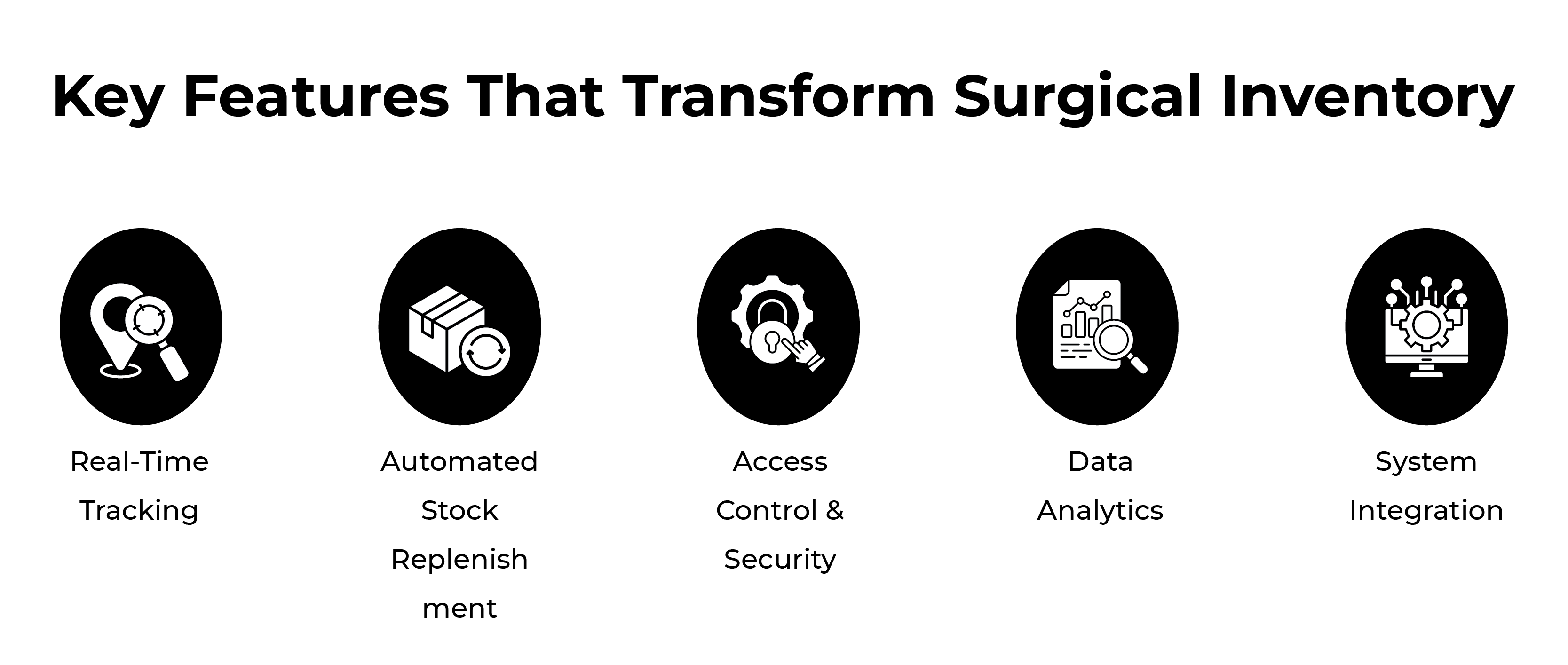
Real-Time Tracking
Smart Cabinets provide complete visibility of every item inside, eliminating uncertainty. Staff can instantly see what’s available, reducing delays and ensuring surgical teams always have the right tools at the right time.
Automated Stock Replenishment
Instead of waiting for shortages to disrupt procedures, Smart Cabinets automatically trigger reorders when supplies run low. This proactive system keeps shelves stocked, prevents last-minute scrambles, and ensures hospitals are always prepared for critical surgeries.
Access Control & Security
Only authorized personnel can access Smart Cabinets, creating accountability and reducing misuse. With secure entry systems, hospitals can track who retrieved items, when, and why—strengthening both safety and compliance across surgical workflows.
Data Analytics
Beyond storage, Smart Cabinets act as data hubs. They analyze usage trends, predict future demand, and highlight cost-saving opportunities. Hospitals gain actionable insights that help optimize purchasing decisions and streamline inventory management.
System Integration
Smart Cabinets connect seamlessly with ERP, EMR, and procurement platforms, ensuring smooth workflows. This integration reduces duplication, improves accuracy, and aligns inventory management with broader hospital operations for maximum efficiency.
Benefits of Smart Cabinets for Hospitals and Surgical Teams
The impact of Smart Cabinets extends across the hospital ecosystem:
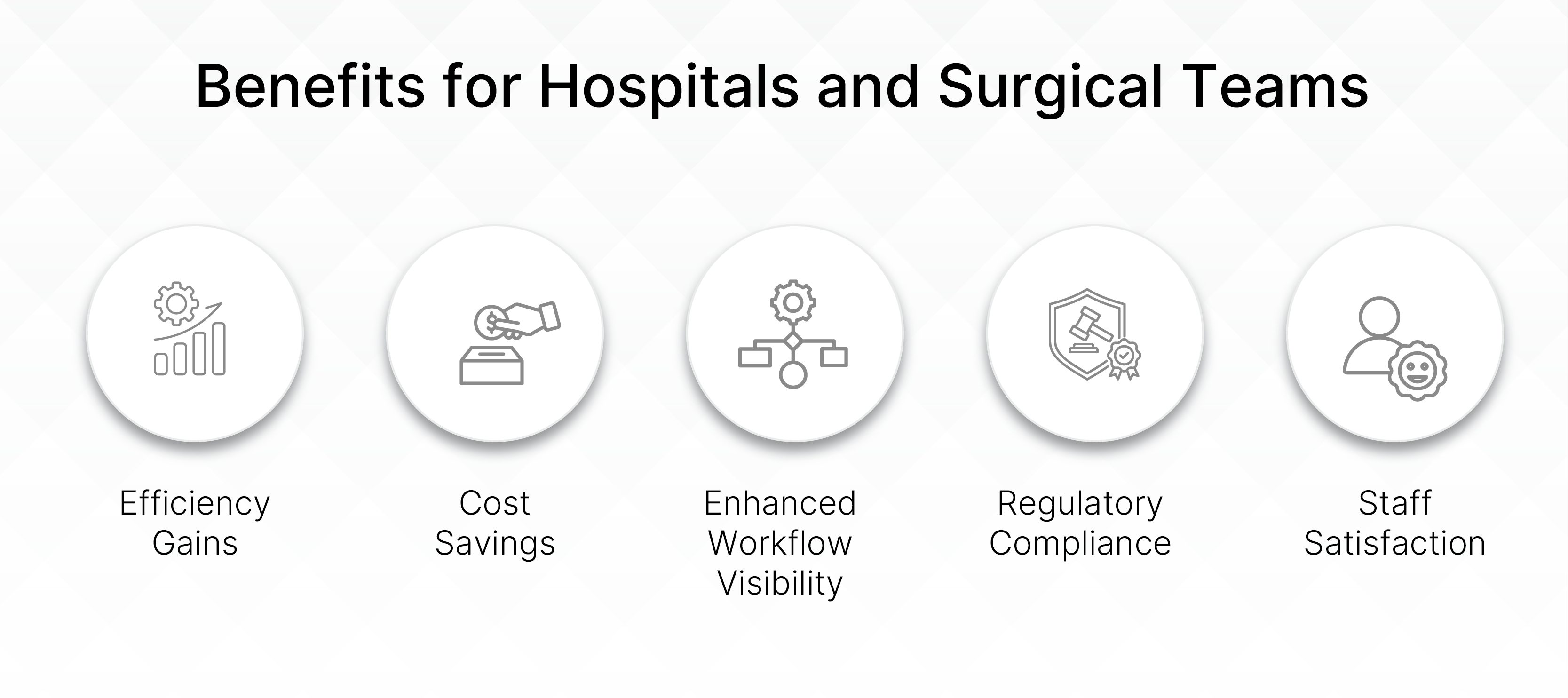
Efficiency Gains
Smart Cabinets streamline inventory management, allowing staff to spend less time on logistics and more time caring for patients. This efficiency ensures surgical teams remain focused on delivering safe, timely, and effective procedures.
Cost Savings
By reducing waste and optimizing purchasing decisions, Smart Cabinets help hospitals cut unnecessary expenses. Automated replenishment prevents overstocking, while data-driven insights ensure resources are used wisely, leading to significant long-term financial savings.
Enhanced Workflow Visibility
Smart Cabinets provide real-time visibility into inventory usage, helping hospitals track patterns and anticipate demand. This transparency improves planning, reduces last-minute surprises, and ensures surgical teams are always prepared with the supplies they need.
Regulatory Compliance
Smart Cabinets automatically generate audit trails, simplifying accreditation and inspections. Hospitals can easily demonstrate compliance with safety standards, reducing administrative burdens while maintaining transparency and accountability in surgical inventory management.
Staff Satisfaction
Nurses and surgeons benefit from smoother workflows and less stress. With reliable access to properly stocked instruments, staff can focus on patient care, improving morale and creating a more supportive working environment.
Challenges and Considerations
Smart Cabinets are transforming surgical inventory by replacing error-prone manual tracking with RFID-enabled, real-time visibility. They automate stock replenishment, enhance security, and integrate with hospital systems. The result is improved efficiency, reduced costs, safer patient care, and smoother workflows—though hospitals must consider investment, training, and IT integration to unlock their full potential.
Conclusion
Smart Cabinets are not just storage solutions—they’re intelligent partners in healthcare delivery. By combining RFID, AI, and IoT, they ensure surgical teams always have the right tools at the right time.
Hospitals exploring pilot programs or partnerships can unlock efficiency, safety, and cost benefits that ripple across the entire organization.
In the operating room, every second counts. Smart Cabinets ensure those seconds are never lost to missing tools.
Frequently Asked Questions (FAQs)
What are smart cabinets in surgical inventory management?
Smart cabinets are RFID-enabled storage systems that automatically track surgical instruments, supplies, and consumables, ensuring real-time visibility and control.
Why are smart cabinets important for hospitals and surgical centers?
They help reduce inventory errors, prevent shortages, improve accountability, and streamline workflows, ultimately enhancing patient care.
How do smart cabinets improve surgical inventory accuracy?
By using RFID tags, smart cabinets automatically log items taken or returned, eliminating manual counting errors and ensuring precise inventory records.
Can smart cabinets help reduce surgical supply waste?
Yes. They track usage patterns and expiration dates, ensuring supplies are used efficiently and minimizing unnecessary waste.
Do smart cabinets improve staff efficiency in operating rooms?
Absolutely. Staff spend less time searching for supplies, as smart cabinets provide organized, accessible, and real-time tracked inventory.
Recent Posts
-

How RFID Solves Shopify Inventory Challenges for D2C Brands
Shopify has quickly become the preferred platform for Direct-to-Consumer (D2C) brands. Its flexibili …Mar 16th 2026 -

RFID vs Barcode in Retail: A Side-by-Side Comparison
Introduction Retail is transforming at a rapid pace, and at the center of this change lies inventory …Mar 6th 2026 -

What Is an RFID Self-Checkout System? A Complete Guide for Retailers
Introduction Retail checkout has seen a remarkable transformation over the years. What started with …Feb 27th 2026